Showing posts with label photography. Show all posts

Friday, August 2, 2024

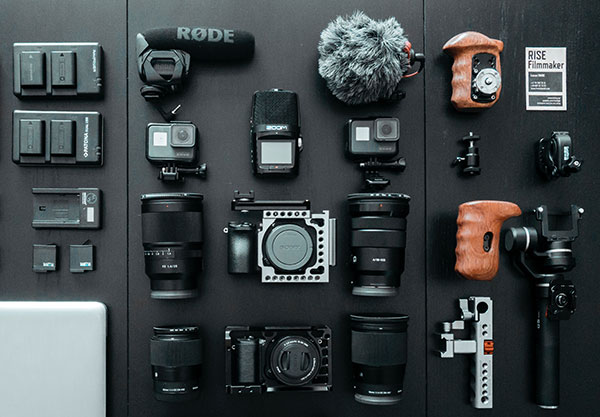
Ram V Chary Talks About Choosing the Right Camera for Nature Photography


Ram V Chary's Guide to Choosing the Perfect Camera for Nature Photography

Choosing the right camera for nature photography can make all the difference in capturing stunning outdoor images. With so many options available, it can be overwhelming to know where to start. Ram V Chary provides insights and tips to help you select the perfect camera for your nature photography needs.

Key Features to Consider

1. Sensor Size and Resolution

The sensor size and resolution of a camera significantly impact the quality of your photos. Full-frame sensors are often preferred for nature photography because they offer better image quality, especially in low-light conditions. A higher resolution, such as 24 megapixels or more, allows you to capture intricate details and provides flexibility for cropping without losing quality.

2. Lens Compatibility

Having a camera with a wide range of compatible lenses is crucial. For nature photography, you'll want lenses that cover various focal lengths. A wide-angle lens (14-24mm) is great for landscapes, while a telephoto lens (70-200mm) is essential for capturing wildlife from a distance. Macro lenses are perfect for close-up shots of flowers and insects.

3. Autofocus System

A reliable and fast autofocus system is essential for capturing sharp images, especially when photographing moving subjects like birds or animals. Look for cameras with multiple autofocus points and advanced tracking capabilities to ensure you get the shot you want.

4. Weather Sealing

Nature photography often involves shooting in various weather conditions. A camera with weather sealing will protect your gear from dust, moisture, and extreme temperatures, allowing you to shoot in rain, snow, or dusty environments without worrying about damage.

5. Image Stabilization

Image stabilization is a valuable feature that reduces camera shake, especially when shooting handheld or using long lenses. This feature is particularly useful in low-light situations where slower shutter speeds are required.

Essential Tips for Nature Photography

1. Invest in Quality Lenses

While the camera body is important, lenses play a crucial role in the quality of your images. Investing in high-quality lenses can significantly enhance your photography. Look for lenses with good optics, wide apertures, and robust build quality.

2. Master Manual Settings

Understanding and using manual settings gives you more control over your shots. Learn how to adjust the aperture, shutter speed, and ISO to achieve the desired exposure and depth of field. Practice using these settings in different lighting conditions to become more proficient.

3. Use a Tripod

A sturdy tripod is an essential tool for nature photography. It helps stabilize your camera, allowing you to take sharp images, especially in low-light situations or when using slow shutter speeds. A tripod also enables you to frame your shots precisely and experiment with different compositions.

4. Pay Attention to Lighting

Natural light changes throughout the day and can dramatically affect your photos. The golden hours—shortly after sunrise and before sunset—offer soft, warm light that enhances the beauty of nature. Overcast days provide diffused light, reducing harsh shadows and creating a more balanced exposure.

5. Practice Patience and Persistence

Nature photography requires patience and persistence. Wildlife, weather, and lighting conditions can be unpredictable, so be prepared to wait for the perfect moment. Spend time observing your surroundings and understanding the behavior of your subjects to anticipate and capture unique shots.

Selecting the perfect camera for nature photography involves considering key features like sensor size, lens compatibility, autofocus, weather sealing, and image stabilization. Ram V Chary mentions that coupled with essential tips such as investing in quality lenses, mastering manual settings, using a tripod, paying attention to lighting, and practicing patience, you can capture stunning outdoor images with the right equipment. With practice and persistence, you'll be able to document the beauty of nature in all its glory.

Friday, July 5, 2024

Ram Chary Everi Explores Essential Accessories for Nature Photography


Unveiling Must-Have Accessories for Nature Photography with Ram Chary Everi


Nature photography is a thrilling pursuit, allowing photographers to capture the beauty of the natural world in all its forms. However, achieving those breathtaking shots often requires more than just a good camera. Ram Chary Everi says that the right accessories can make a significant difference in the quality of your images and your overall outdoor photography experience. Here's a guide to the must-have accessories for capturing stunning nature photography.

1. Tripods

A sturdy tripod is essential for nature photography. It provides stability, which is crucial for capturing sharp images, especially in low light conditions or when using long exposure settings. Look for a tripod that is lightweight yet durable, making it easy to carry during hikes while ensuring it can withstand various weather conditions. Features like adjustable legs and a ball head for flexible positioning can further enhance your ability to frame the perfect shot.

2. Filters

Filters can transform your natural photos by controlling light and enhancing colors. The most common filters used in nature photography are:

Polarizing Filters reduce glare from reflective surfaces like water and leaves, deepen the sky's blue, and enhance overall color saturation.

Neutral Density (ND) Filters: ND filters allow you to use slower shutter speeds in bright conditions, which is perfect for capturing silky smooth waterfalls or the movement of clouds.

Graduated ND Filters: These are half-clear, half-neutral density, helping to balance the exposure between the bright sky and darker foreground, essential for stunning landscape shots.

3. Remote Shutter Release

A remote shutter release is a small but powerful accessory that helps prevent camera shake during long exposures. It allows you to trigger the shutter without physically touching the camera, ensuring that your images remain sharp and clear. Wireless options provide additional flexibility, enabling you to take shots from a distance or difficult angles.

4. Lens Cleaning Kit

Nature photography often means dealing with the elements, leading to dirt, dust, and moisture on your lens. A good lens cleaning kit, including a blower, lens cleaning solution, microfiber cloths, and a brush, is vital for maintaining clear and sharp images. Regular cleaning also protects your gear, ensuring longevity and optimal performance.

5. Backpack

A specialized camera backpack is invaluable for nature photographers. It should have compartments for your camera body, lenses, filters, and other accessories, with additional space for personal items like water and snacks. Look for features like waterproofing, comfortable straps, and easy access to your gear to make your outdoor adventures more enjoyable and efficient.

6. Extra Batteries and Memory Cards

Nothing is more frustrating than running out of battery or storage space in the middle of a shoot. Carrying extra batteries and memory cards ensures that you're always ready to capture those unexpected moments of natural beauty. High-capacity and fast memory cards are particularly useful for shooting in RAW format, which is essential for high-quality nature photography.

7. Protective Gear

Nature photography often involves unpredictable weather and rough terrain. Investing in protective gear for your camera, such as rain covers and padded cases, can protect your equipment from the elements. Additionally, personal protective gear like sturdy boots, a hat, and weather-appropriate clothing will keep you comfortable and focused on your photography.

8. Reflectors and Diffusers

While not always considered essential, reflectors and diffusers can significantly enhance your control over natural light. Reflectors help bounce light onto your subject, filling in shadows and creating a more balanced exposure. Diffusers soften harsh sunlight, producing more flattering light on your subject. They are particularly useful in forested areas where light can be spotted and uneven.

9. GPS Device

A GPS device can be a great addition to your nature photography kit. It helps you keep track of your locations, ensuring that you can return to specific spots or share the exact coordinates with others. Some advanced cameras come with built-in GPS, but standalone devices can offer more detailed tracking and longer battery life.

10. Wildlife Camera Trap

For those interested in capturing wildlife, a camera trap can be an exciting tool. These motion-activated cameras allow you to capture images of animals in their natural habitats without disturbing them. They are particularly useful for photographing nocturnal creatures or shy wildlife that might not appear when you're around.

11. Portable Power Bank

A portable power bank is a lifesaver during long shoots, especially in remote locations where charging facilities are unavailable. It ensures that your devices, including your camera and phone, remain powered throughout your photography session.

12. Weather-Sealed Lenses

While not an accessory per se, investing in weather-sealed lenses can significantly impact your nature photography. These lenses are designed to withstand dust, moisture, and extreme temperatures, ensuring that your gear remains functional in challenging conditions.

Capturing stunning nature photography goes beyond just having a good camera. Ram Chary Everi points out that the right accessories can enhance your shooting experience, improve the quality of your images, and ensure that you are prepared for any situation. From tripods and filters to protective gear and extra batteries, each item plays a crucial role in helping you achieve your creative vision. Equip yourself with these must-have accessories, and you'll be well on your way to capturing the breathtaking beauty of the natural world.

Thursday, April 18, 2024

Ram V Chary: Tips for Capturing Breathtaking Landscapes and Outdoor Experiences


Ram V Chary on Nature's Canvas: Expert Tips for Mastering Landscape Photography


Ram V Chary highlights that Capturing the essence of nature's grandeur and outdoor adventures is akin to composing a symphony of visual melodies. Each landscape, with its unique blend of light, terrain, and atmosphere, offers a canvas for photographers to orchestrate captivating images that resonate with viewers. Whether you're an aspiring photographer or a seasoned professional, mastering the art of landscape photography requires a harmonious blend of technique, creativity, and a deep connection with the natural world.

Embark on a journey to elevate your landscape photography prowess and dive headfirst into the soul-stirring magnificence of the great outdoors with these invaluable tips:


Embrace Golden Hours: The soft, golden light during sunrise and sunset can transform an ordinary scene into a breathtaking masterpiece. Plan outdoor excursions around these magical hours to capture landscapes bathed in warm hues and long, dramatic shadows.

Study the Terrain: Before setting out on your photographic journey, take the time to research and scout potential locations. Familiarize yourself with the landscape's terrain, topography, and distinctive features to anticipate the best vantage points and compositions.

Compose with Purpose: Composition is the cornerstone of compelling landscape photography. Experiment with techniques such as the rule of thirds, leading lines, and framing to create visually dynamic compositions that draw the viewer's eye into the scene.

Harness the Power of Perspective: Change your perspective to add depth and dimension to your photographs. Explore low angles, elevated viewpoints, and unconventional vantage points to capture unique perspectives that offer fresh insights into familiar landscapes. Master Manual Mode: While modern cameras offer sophisticated automatic modes, mastering manual settings empowers you to take complete control of your exposure, aperture, and shutter speed. This level of control allows you to fine-tune your settings to achieve the desired mood and atmosphere in your photographs.

Capture Motion and Movement: Incorporating motion elements, such as flowing water, drifting clouds, or swaying foliage, can infuse your images with dynamism and vitality. Experiment with different shutter speeds to freeze or blur motion, adding a dynamic element to your compositions.

Focus on Detail: While expansive vistas are captivating, pay attention to the beauty of intimate details within the landscape. Focus on capturing the intricate textures, patterns, and natural elements that add depth and character to your photographs.

Patience is Key: Nature operates on its timeline, and capturing the perfect shot requires patience and perseverance. Be prepared to wait for the ideal light, weather conditions, or the decisive moment that brings your vision to life.


Master the Art of Post-Processing: Post-processing is essential in the digital photography workflow, allowing you to fine-tune your images and enhance their visual impact. Experiment with editing techniques such as color grading, contrast adjustments, and selective sharpening to refine your photographs and convey your artistic vision.

Cultivate a Connection with Nature: Beyond technical proficiency, cultivating a deep connection with the natural world is the most potent tool in a landscape photographer's arsenal. Take the time to immerse yourself in nature's sights, sounds, and rhythms, allowing them to inspire and guide your creative process.

According to Ram V Chary, capturing breathtaking landscapes and outdoor experiences is a journey of exploration, creativity, and reverence for the natural world.

Ram V Chary says that by embracing these tips and techniques, you can unlock the full potential of your photography and create evocative images that resonate with viewers on a profound level.

Thursday, March 14, 2024

Ram V Chary on Faces of Life: Unveiling Expressions and Personalities Through Portrait Photography


Unveiling the Soul with Ram V Chary: Journey into the Art of Portrait Photography

Through the lens of a skilled photographer, every face becomes a canvas, ready to convey many narratives. Whether it's the subtle curve of a smile, the furrowed brow of contemplation, or the sparkle of joy in the eyes, each expression tells a unique story. According to Ram V Chary, From the serene calmness of a newborn's face to the weathered lines of experience etched upon the elderly, every portrait gives a window into the vast spectrum of human knowledge.

Image source: www.pexels.com


In this digital age where selfies and filters dominate our social media feeds, actual portrait photography often gets overshadowed, says Ram V Chary. Yet, a timeless allure remains in the simplicity of a well-composed portrait. One that transcends fleeting trends and superficial aesthetics. In these portraits, we find humanity's raw beauty, unadorned and unfiltered.

Each portrait is a unique window into the soul of the subject. It captures a fleeting moment in time, freezing it for eternity. The smile that lights up a face, the furrowed brow deep in thought, the twinkle in the eyes filled with mischief. Ram V Chary said these are the nuances defining us as individuals. Through the lens of a skilled photographer, these nuances are not just captured but celebrated, immortalized in pixels or on film.

Image source: www.pexels.com


But beyond mere documentation, Ram V Chary stresses that portrait photography can evoke empathy, provoke thought, and inspire connection. These images remind us of our shared humanity in a world often defined by division and discord. They transcend language, culture, and geography boundaries, resonating with viewers on a deeply personal level.

When encountering a portrait, Ram V Chary believes that one should take a moment to pause and genuinely perceive the individual depicted. Allow oneself to be immersed in their world, empathize with their joys and sorrows, and acknowledge their victories and challenges. Within each face resides a narrative—an untold tale awaiting discovery, eager to be shared, and worthy of celebration. Through the medium of portrait photography, these narratives are animated, interlacing the strands of our shared human journey.

Monday, February 12, 2024

Ram V Chary: Capture the Future with These Photography Trends


Ram V Chary on Photography Trends to Watch Out For in 2024

Wondering what's in store for photography in 2024? Ram V Chary discusses the trends shaping how we capture and share moments this year.
Pexels.com
Supercharged photos with AI 
Get ready for a boost in your photos with Artificial Intelligence (AI). Smart algorithms are now part of cameras and editing tools, making it a breeze to enhance and perfect your images. From automatic touch-ups to recognizing scenes intelligently, AI is changing the game in how we capture and edit our pictures.

Sky-high shots with drones
Drones are taking photography to new heights. Drones, equipped with top-notch cameras, let photographers capture glorious aerial shots and perspectives that were once out of reach. According to Ram V Chary, this trend is especially popular for snapping breathtaking views of landscapes and buildings.

Vintage vibes with film-inspired looks 
Despite living in a digital age, there's a love for the classic charm of film photography. Many photographers are bringing film-like tones, grain, and colors into their digital snaps. This adds a timeless touch and appeals to those who enjoy the nostalgic feel of analog photography.

Real moments in focus
 
Authenticity is stealing the spotlight in photography. Candid shots capturing real emotions and unscripted moments are gaining traction. Photographers are weaving stories into their work, aiming for a more genuine and relatable visual experience.

Pexels.com
Ethical photography 
Being mindful of our planet is in vogue. Sustainable and ethical photography practices are on the rise. Photographers are choosing eco-friendly gear and using their images to shed light on environmental and social issues.

AR magic 
Augmented Reality (AR) is adding a touch of magic to photography. Interactive AR elements are popping up in images, creating immersive and fun experiences for viewers. Ram V Chary says this trend brings a playful side to photography, blending the virtual and real worlds.

Tailored photography journeys 
Personalization will rule the photography business in 2024. Photographers are customizing their work to match the tastes of their audience, offering personalized photo sessions and unique editing styles. This trend emphasizes creating a more personal and close-knit connection with viewers.

2024 promises a mix of high-tech advances, retro vibes, and a focus on real and eco-friendly photography. As photographers dive into these trends, the visual stories they create are sure to make this year's snapshots unforgettable.

Monday, January 8, 2024

Ram V Chary: Three Tips for Sports Photography


Ram V Chary: Sports Photography Tips for Beginners

A sports photographer has to be close to the action, capturing incredible action shots and intense emotions. As amazing as this is, the intensity and fast pace can also make sports photography very challenging. Here are some tips that will help you get started.

images.pexels.com
Understand your settings. 

When shooting sports, you often have to capture high-speed movements, says Ram V Chary. To ensure the action is frozen, you need a fast shutter speed. The faster the movements, the faster your shutter speed has to be. In general, a minimum shutter speed of 1/1000th should freeze the action for a sharp image. You need to select a fast shutter speed while balancing the lowest ISO possible and widest aperture. A wide aperture will create a short depth of field that makes a player stand out against a blurred background, and a low ISO will help produce the best image quality, notes Ram V. Chary.

Know the sport.

Before you shoot a sport or team, watch some games to get a feel for the flow of the game. This will help you anticipate where the action will happen so that you can be in the best position when an important play happens. Do any of the players have unique celebrations or special pregame traditions? If you're not sure, ask a few photographers who cover the team more frequently. Any information you can find to help you prepare will go a long way, notes Ram V Chary.

images.pexels.com

Tell a story.

Action shots are awesome, but there's so much more to sports than just the incredible plays. Look for fans, scenic shots, athlete emotions, and any other details that tell the story and capture the atmosphere of the game. In sports photography, you have the unique opportunity to capture moments that average fans don't get to see.

Monday, February 6, 2023

Ram V Chary: Mixing Graphic Design and Photography

Graphic Design and Photography Go Together Says Ram V Chary

Image source: pexels.com


Combining graphic design with photography is a skill that not all artists share. Design elements must complement photographic elements to make an image work. Ram V Chary shares how to combine the two with excellence in this blog post.

Embrace surrealism. Playing with photographic and graphic design elements enables an artist to create surrealist designs. By using a picture as a background of a design element, the former allows the latter to pop up and stand out. This method has many treatments, shares Ram V Chary. When done correctly, it becomes the perfect companion of a message. Apply typography to pictures. Play around with typography. Preferences for text on design differ from one generation to another. Depending on your target market, typography could either be larger than life or minimalist.

image source: pexels.com

Let graphic design save a bad photo. While it's a bad practice to use graphic design as a fallback for badly taken photos, it's an effective way to save a shot that's good enough. Superimpose a graphic design element onto a picture for compelling imagery. Level up product photography by mixing real photos with graphic design. This technique is used in product photography more often than you think. According to
Ram V Chary, well-known brands shoot their products only to add design elements in post-production. However, for this tip, it's worth noting that adding a design element doesn't cover up a bad shot. Product photography and design require excellent pictures.

There can be times when your think tank runs dry. Find inspiration. Read up on new graphic design and photography trends and practice applying them to your work. Many graphic design artists dabble in photography. Marketing and advertising firms need artists that excel in both fields to have solid and cohesive creative directions. The job requires skill, consistency, flexibility, and creativity.

Wednesday, December 29, 2021

What is environmental portrait photography?

Image source: travelphotographyguru.com


Environmental portrait photography is a type of portraiture that incorporates something in the surrounding environment to produce a more interesting or meaningful finished product. For example, a photographer might take a picture of someone standing in front of a tree and decorate this with an assortment of leaves and twigs, producing an intriguing composition. Ram V. Chary.

The environmental element can be used in a number of different ways to produce the desired effect. It is important that this element be added in such a way that it acts like an accessory and does not detract from the main subject. Ram V. Chary.

The most common example of environmental portrait photography is when someone chooses to take pictures of people or pets against a backdrop of flowers, trees, or other natural objects. Ram V. Chary.

Other examples include:

• A close-up picture of a flower or plant with someone standing in front of it, as if the person is simply being framed by nature. This often produces an interesting effect that looks more artistic than traditional photography.

Image source: digitalphotomentor.com


• Photographing people around a specific area that is relevant to their interests. For example, a photographer might take a picture of someone in front of a baseball field if they're a fan of the sport, or outside their favorite bar if it is related to their love for adult beverages.

Environmental portrait photography can also be done by incorporating man-made objects into the mix, such as pieces of architecture or large buildings. This kind of photography is often called street photography.

The idea behind environmental portrait photography is to make the picture more interesting and meaningful than it would be if it was taken with a traditional background (like a white wall). Using this technique also provides the photographer with the ability to showcase their subject's interests and personality to a greater extent than is possible in other types of photography. Ram V. Chary.

Friday, October 15, 2021

How to photograph better environmental portraits

Taking environmental portrait photographs is a delicate art with many things to consider. For today's blog, Ram Chary shares some expert tips on how to capture the best environmental portraits.

Environments and context are important for any portrait photograph. The backdrop sets the tone of your image, and different types of location portraits will yield very different results. So, let's look at some different approaches to environmental portraiture:

The photogenic environment

This environmental portrait is about using the environment, particularly a pretty or interesting backdrop, to set a tone. The idea is that the photo will be immediately recognizable as being taken at your location (e.g., New York City skyline). It also conveys something about the subject.

The background is the star

The idea here is to shoot your subject up close, with a lot of empty space in the background. This type of portrait allows you to play with light, shadows, and colors in the image. But, again, it is about creating something that will stand out when it's hung on a wall; it's about aesthetics.

The subject-in-environment approach

Rather than removing the environmental elements, this type of portrait is all about showing them off. You want to show your subject in their environment (e.g., at home). A good example of this style would be an exotic dancer in her stage setting.

The third-person approach

This type of portrait is all about identifying the location without it being too front and center in your image. Ram Chary adds that the idea is to show how people live in certain places so that you wouldn't have the person's face or an identifying element in your image.

Wednesday, April 14, 2021

The basics of mixing design elements and photography


Image source: colorwhistle.com


Photography is a versatile artform that can be mixed with other mediums. Graphic design is among the many art mediums photography can easy blend with. While easy to mix, there are still some guidelines or tips in order to make the combination a successful one. Ram Chary Everi.

Between the two art mediums, photography is more likely to seek the help of graphic design elements so as to salvage bad images. This instance can hamper one from designing with freedom and excellence, especially when a designer is instructed to design from the photos given to them. Bad images are incredible canvases for design experiments. Try translating bad images into two-color GIFs for some retro effect. Ram Chary Everi.

Image source: eyeem.com


If possible, illustrate first before incorporating pictures into the design. Detailed designs can work as backgrounds for images, 
producing excellent imagery for different campaigns or purposes. Typography is a large element in design. Make use of graphic design techniques such as typography to cover up second-rate photography. A good illustration carries the power to enhance images and videos that are not necessarily excellent on their own. Remember to check the resolution of images incorporating them in digital designs. Ram Chary Everi.

Make use of emotion. Photography maintains the advantage over graphic design when it comes to capturing and displaying emotion that can be useful for imagery that needs to tell a story. Try a few versions of the design to play with the right tone and emotion. When presenting images to clients, don’t be afraid the blow them up in size. This would help them see the image as a whole and down to details. Ram Chary Everi.

Thursday, March 25, 2021

The immense appeal of New York among photographers

No other city in the world holds as much of anything as New York City, and this is what comprises its immense appeal to visitors. No other city is held in as high a regard as the Big Apple. It has something for everyone, and a whole lot more. Everything is just bigger and more urban, thicker and grittier. Ram Chary 

Image source: pinterest.com


For new photographer who plan on visiting NYC once the whole COVID-19 pandemic is over, it pays to be prepared. Any photographer planning to take on New York should not go unprepared, without a well-researched plan. While the Big Apple is extremely photogenic as a whole, certain places are worth more of people’s time than others, depending on one’s preference. Photographers should list their priorities whether it be architecture, humanity, history, or something else entirely. Ram Chary.

Image source: pinterest.com

It’s also important to note that to photograph the entirety of the city will take well over a year. Just ask the people who’ve done it.

This is why many veteran photographers recommend sticking first to a single place and getting a feel of New York. To say that the city is massive is an understatement. For people only spending a couple of days there, stick to a single area is more practical. Ram Chary.

What are you most excited to photograph in New York? Share your thoughts in comments section below. Ram Chary.


Tuesday, December 29, 2020

Pandemic photography: Interesting subjects today

 Veteran photographers everywhere know that a global health crisis doesn’t mean photography has to stop. In fact, it’s the opposite. Most of the greatest images captured in history were during times of strife. 


For today’s blog, here are three interesting subjects photographers can consider shooting in today’s world. Ram Chary. .

Image source: Pexels.com

Plants and trees

A lot of people have gotten into the hobby of cultivating potted plants and backyard gardens. These make for excellent subjects. Plants have different shapes and sizes, cast all sorts of shadows, and appear in a variety of ways depending on the angle of the light. Having said that, photographers may also rediscover neighborhood plants and trees, and all the things they’ve taken for granted in the past. Ram Chary.


Image source: Pexels.com

Self

Before the pandemic hit, selfies were often seen as novel or trivial. Today however, a lot of people are documenting their experiences during these times. Men have grown beards. Women have experimented with different styles of haircuts and make-up. It makes for great documentation to remember these troubling times. Ram Chary.

Pets

Photographers with pets know just how fun capturing their everyday companions on camera can be. Pets have always been great subjects for photography. And as if that isn’t enough, a photography session can bring a photographer and his or her companion closer together. Ram Chary.

Wednesday, November 25, 2020

Should graphic designers become professional photographers?


More often than not, graphic designers need stock photos that would complete their designs. Not many designers have access to amazing, royalty-free images, making photography a skill to master should one want to make the most out of their profession. Ram Chary. 

Image source: diyphotographer.net

Without contention, graphic designers must be good photographers. A designer must acknowledge that composition and design are correlated to deliver top-notch, relative, and impactful designs. There should be balance and a great layout, particularly for web designers. The rules of photography often apply to graphic design. In every profession, burnout is inevitable. Graphic designers can never lose their touch. Dabbling in photography can keep their creative juices pumping while they take a break from graphic designing. Ram Chary. 


Image source: collegesa.edu.za

There is no way to learn about color and color theory by experiencing hues in the natural. Photography forces individuals to go out, pick a subject, and shoot it using light and composition. Being a professional photographer allows one to be attentive to image output. Different color schemes on varying light settings produce alternate images. Some designers need a little pick-me-up before they can get the design going. Photography offers them a different perspective than their usual view. Ram Chary.

Graphic designers are known to be relentless, chasing one project to another. And besides, a little side hustle never hurt anyone, especially graphic designers. On top of producing one’s stock images for designs, working as a professional photographer on the side would be a good addition to a graphic designer’s portfolio and income. Ram Chary.

Monday, October 19, 2020

A photographer’s guide to working in a post-pandemic world


The past couple of months have seen industries return to work with enough consideration for the health of workers. Large and small studios have started to welcome clients given that they follow strict health protocols to prevent the further spread of COVID-19. Ram Chary Everi. 


Image source: fstoppers.com

Working in a post-pandemic world poses different challenges for various industries. People are still encouraged to stay home despite lockdown measures now becoming lax. As much as possible, photographers must decline shoots in public places, as the threat of the virus is as great as before. Should studios and clients demand for a shoot in public places, be sure to wear a mask at all times and maintain a safe distance from other individuals to reduce the risk of transmission. Ram Chary Everi. 

Image source: petapixel.com

Remember to clean your gear once you get home. The virus can stick to surfaces. Be sure to wipe all gear pieces clean to be ready for the next shoot. For the time being, refrain from borrowing other pros’ gear. Sharing of equipment pieces should be limited to reduce the risk of contracting the virus. Offer to shoot clients at the comfort of their own home, either in person or through FaceTime. This way, photographers can practice shooting wide and directing subjects through a different channel. Ram Chary Everi.

When income is meager due to limited shoots, consider holding a photography workshop online. Teach budding photographers some photography basics and tricks to make up for the lack of income. Consider helping other businesses by creating a product photography studio at home and offering your services for a fair price. Ram Chary Everi.

Friday, July 24, 2020

When gear matters in photography

The real importance of gear in photography is an ongoing debate among enthusiasts and professional photographers. Some experts say an expensive professional camera does not matter as long one is incredibly skilled in the field. In contrast, others believe a great camera makes all the difference in shooting. Ram Chary..
Image source: snapshot.canon-asia.com

Image source: johnmakphotography.com


The photography world has long accepted that there will never be a clear cut answer to the age-old question: does gear matter? Many hobbyists and amateur photographers flock online communities asking for the best cameras and lenses for reasons such as gear upgrade or change in brand. It is easy for hobbyists to fall for the concept that there is a holy grail of camera equipment that can turn their composition into gold. However, a camera is only an extension of a photographer’s skill. Ram Chary.

When it comes to composition, gear will never matter. Film cameras and cameras in smartphones can achieve greatly composed images that can have a lasting impact on the industry. Beginners should also note that the brand of their camera must not limit their capability to shoot great photos. Ram Chary.

Sometimes, especially for professional photographers, gear does matter. When macro shots are needed, a photographer must have a macro lens to achieve the shot. Wedding photographers may need cameras that are extremely adaptable to different lighting requirements. However, the same principle applies: the photographer and their skill weigh heavier than the gear pieces. A photographer, not their camera, makes all creative choices and decisions. Ram Chary Everi.

Tuesday, January 21, 2020

Does gear really matter in photography?


Some photographers always have the newest equipment and swear by them for producing the best quality photos, while others keep their work lowkey and humble, believing that the quality of the photos they produce does not depend on the caliber of their equipment. The question now is: Does gear really matter? Ram Chary.

Image source: 2checkingout.com
If one is looking for a clear and concise answer, they’re in for a whirlwind of opposing replies. Many professional and acclaimed photographers stand by the answer that gear does not matter. Their answer is mainly based on their experience with old photography equipment. They argue that if they were able to produce top-notch photos in the past using what the many regards now as basic photography equipment, then gear does not matter. Ram Chary.

The camera and lenses aren’t in charge of the composition. The only time that gear matters is when it’s used the right way for the right purpose. Sports and wildlife photographers need cameras with a high burst rate, quick focus action, and adequate ISO options for low light situations. Wedding photographers require gear that can adapt quickly to inconsistent lighting. Additional gear pieces such as monopods, tripods, remote shutters, and natural density filters matter when doing long exposure photography. Ram Chary.
When photography and photography gear go head-to-head, the former matters more. The latest gear equipment would be useless if the photographer doesn’t have the skills to produce great work. Photography gear only matters when they are used correctly and for the right purpose. Ram Chary.

Thursday, December 12, 2019

Filters every photographer needs in their kit

Useful camera filters -- Ram Chary.

A camera is the base weapon in a photographer’s artillery. Sure, a photographer can use the base kit of their camera. But there are situations where other tools are needed to make the shot work. For example, instead of holding a camera dead steady for three full hours, a photographer can make use of a tripod. Besides basic photography tools, professional photographers also carry around filters for their cameras. Here are three filters that every photographer needs to have in their kit. Ram Chary.

Image source: shawacademy.com

Image source: shawacademy.com
Ultraviolet filter: Great photographers know how to utilize natural lighting. However, the sun can sometimes produce a small amount of haze caused by ultraviolet light. This lens doesn’t affect the light coming in for digital cameras. They also double as protection for your main lens. Ram Chary.

Graduated neutral density filter: Unlike the UV filter, ND filters block a portion of the light that’s coming into the camera when taking photos. By positioning the darker segment of the filter over brighter areas of the shot, overexposure can be prevented, and a great deal of detail of photos can be kept. This filter is extremely useful when taking long exposure photography or if photographers don’t want to bother with longer shutter speeds. Ram Chary.

Polarising filter: Polarising filters can augment light that enters it. The result is that it can eliminate or even enhance reflections. By simply twisting the filter, photographers can make reflections very noticeable or remove them from the shot. This works well when taking photographs through windows, in bodies of water, as well as polished surfaces. Ram Chary.

Wednesday, May 8, 2019

Photography etiquette for enthusiastic travelers

Hello, Ram Chary here. I'm a freelance photographer and graphic artist. To hone my skills as a photographer, I explore new places. Sadly, when I travel, I often see people who seem to just point and shoot without being conscious of the culture and surroundings. To make sure that we're not disrespecting people and places when we're out of our comfort zone, let me share with you some travel photography etiquette:

Image source: Pexels.com
Seek permission before taking a photo

While this might seem counterproductive, this is actually the right thing to do especially when visiting conservative communities and countries. Instead of just pointing and shooting at everything you see, ask permission from your host or the people you're going to photograph. In many religions, photographing private prayer areas is prohibited to allow people to meditate without distractions. When photographing children, always ask permission from their guardian or parents. In some cases, I introduce myself as photographer Ram Chary and show them some of my work to ease their doubts.

Image source: Pexels.com
Give space to other photographers
Even if you're the only pro photographer in the area, you still have to give your fellow shutterbugs a chance to get a good photo. When visiting a tourist site that you know will be crowded, it's better to leave your fancy equipment at home. This will prevent loss and damage on your part. When it comes to taking photos, don't stay in one place. Let others take your spot after a few shots and then move to another one. This is especially true for those who want to take have their photos taken with the landmark.

By knowing our boundaries, we show our respect to the people and culture of the foreign place we're visiting. As we explore their lifestyle, we also want to show their best side without overwhelming them.

Hello, I’m Ram Chary from Boston, Massachusetts. I am a freelance photographer and graphic designer who loves to explore new places. For more reads on photography and design, visit this blog.

Wednesday, January 9, 2019

The best places in Boston to practice your photography skills

There are so many places to explore while in Boston. In my city, you’ll find historical sites and modern centers that will inspire your artsy side. Aside from the usual touristy fare, if you're visiting for the first time and you'd like to go on a photo walk, here are some of the best spots in the city for artsy shots:

Image source: Time.com


Old South Church: Architecture fans shouldn't miss out on this US National Historic Landmark when in Boston. This 19th century Gothic Revival structure at 645 Boylston St. serves as an icon of our rights to free assembly and speech. You can also go on a tour to see the historical exhibitions.

Image source: Britannica.com
Modica Way: If you think you're just passing by an alley, you'll be surprised. When in Cambridge, be sure to stop by this street art exhibition that showcases the artistry of Boston's people. This open-air gallery is a welcome sight that brings a pop of color to Boston's urban context.

Beacon Hill: Go on a walking tour of this iconic neighborhood that housed famous personalities. Check out the charming architecture that can be seen in the federal-style row houses. Take a walk in the cobblestone streets and explore the remnants of the old days in Boston. There's a lot to explore in this area, so I'm sure you'll find many photo spots.

I don't think you can fully enjoy Boston in a day even if you start early in the morning. On your visit, bring your nicest cameras and take your time to immerse in the city's most picturesque places.

Hello, I'm Ram Chary, a freelance photographer and a Boston University alumnus. For more on my hobbies and interests, visit this page.

Tuesday, August 8, 2017

Capturing The Heart Of a Journey Through a Camera Lens

Traveling is one of the favorite perks of many photographers. They get to go to places they’ve never been to and see things they’ve never seen. Traveling isn’t only a perk for travel photographers. In fact, any kind of photographer can do his fair share of travel, depending on the subject. One big tip we can give to photographers who do go on trips is to take it to heart.

Image source: cntraveler.com

Each trip gives off a different experience, and each experience has a heart of its own. Many photographs often take this for granted in hopes of getting their shot. There’s nothing wrong with prioritizing the shoot since that’s the purpose of the trip anyway. But too often do photographers ignore the culture and history surrounding the shoot.

There is beauty in everything. Perhaps if photographers can spare more time, film, and digital space on the things that surround their subjects, they may find that beauty. Who knows? They may even end up enhancing and giving depth to their subject.

Everything about a journey from the foreign people, to the sunrises and sunsets, to the strange customs, to the exclusivity of the natural beauty, to never-before-seen cultures, supplement both the travel and the subjects. Photographers should take advantage of that.

Image source: yomadic.com

Hi, I’m Ram Chary Everi from Boston. I’m a freelance photographer and graphic artist. Visit this Twitter page to know more about photography in general.